
Concrete Permits in Pasco County: What Homeowners Need to Know
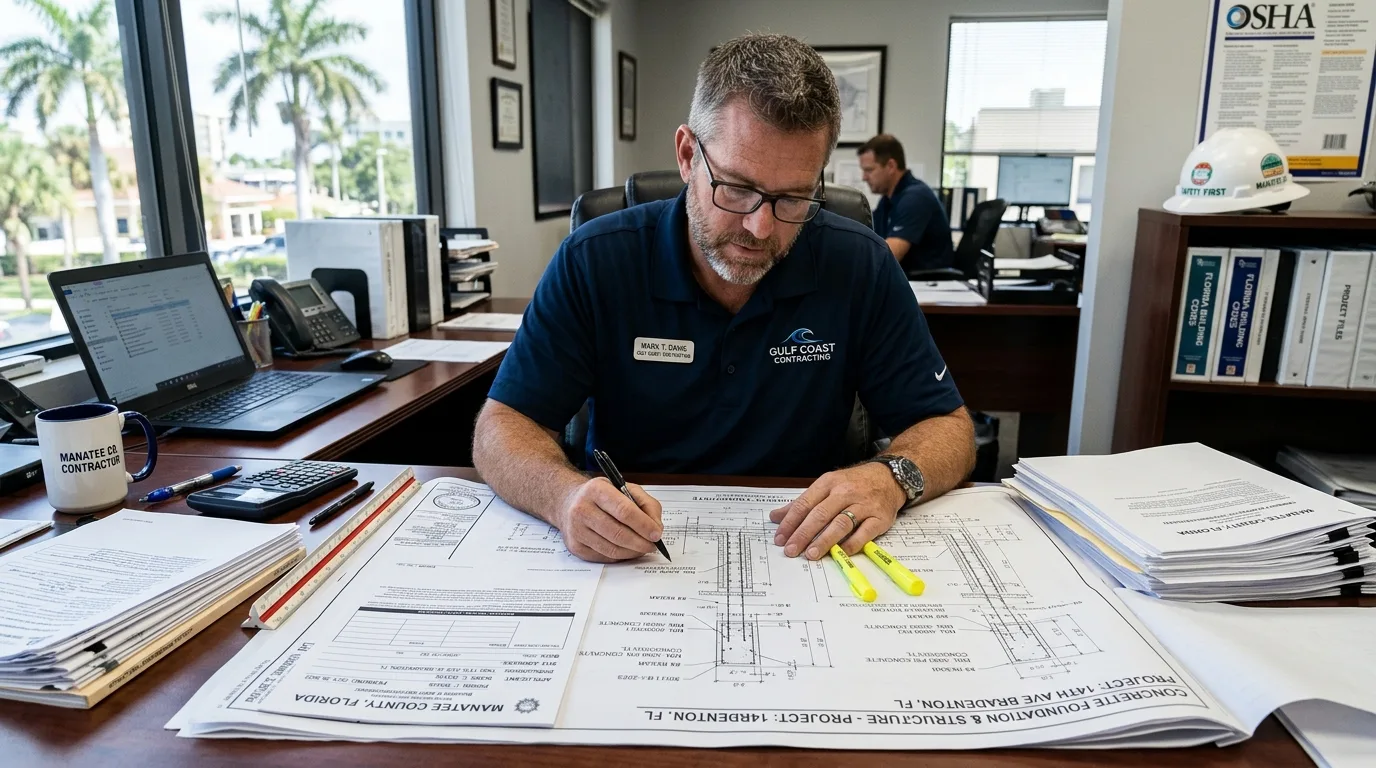
One of the most common questions we hear from Keystone homeowners planning a concrete project is: “Do I need a permit for this?” It’s a smart question — skipping a required permit can result in fines, forced removal of completed work, and complications when you go to sell your home. This guide walks through Pasco County’s permit requirements for concrete work so you can plan your project with confidence.
Questions About Your Concrete Project?
Keystone Concrete handles all permitting for projects that require it. Contact us for a free estimate and consultation.
What Requires a Permit in Pasco County?
Pasco County’s building department (managed through the Pasco County Development Services Division) requires permits for concrete work in several categories:
Driveway Connection Permits
If your new or expanded driveway connects to a county road or right-of-way, you’ll need a right-of-way utilization permit from Pasco County. This applies even for a straightforward driveway replacement if it modifies the driveway apron (the section between your property line and the road). The permit ensures the connection is properly designed and doesn’t affect stormwater drainage along the road.
This requirement catches many homeowners by surprise. Even if you’re just resurfacing a portion of your existing driveway near the street, check with the county if the work extends to the apron.
Structural Concrete Work
Any concrete work that is structural in nature — including concrete foundations, stem walls, footings, and concrete slabs that are part of a building addition — requires a building permit. This type of permit triggers inspections by Pasco County building officials at key stages of construction.
Retaining Walls Over 4 Feet
Retaining walls (concrete or CMU block) that exceed 48 inches in height from the base require a building permit in Pasco County. Walls under 4 feet that are not under a surcharge (no building or driveway load above) are generally exempt. However, if a shorter wall is within an easement or supports any structural load, permit requirements may still apply. When in doubt, check with Pasco County Development Services. You can read more about retaining wall options in our guide to retaining walls in sandy soil.
Pool Decks
Concrete pool decks are often permitted as part of the pool construction permit. If you’re replacing or significantly expanding an existing pool deck as a standalone project, a permit is typically required for work that changes the drainage pattern or involves structural modifications. Resurfacing (applying a coating or overlay over existing concrete) generally does not require a permit.
What Does NOT Require a Permit?
Not every concrete project requires a permit. In Pasco County, the following are typically exempt from permit requirements:
Non-structural patios at grade: A standard concrete patio poured directly on grade (ground level), not attached to a structure, and not part of a pool project typically does not require a permit in Pasco County. This covers most standalone backyard patios.
Resurfacing existing concrete: Applying a concrete overlay, decorative coating, or resurfacing compound over existing structurally sound concrete generally does not require a permit. This includes decorative concrete options like stamped overlays and cool deck coatings.
Sidewalk repairs within your property: Minor sidewalk repairs on private property that don’t affect public rights-of-way are typically exempt.
Concrete curbing and landscape edging: Decorative concrete edging for landscaping, garden beds, and planting areas at ground level is generally permit-exempt.
Let Us Handle the Permits
Keystone Concrete manages all required Pasco County permits as part of your project. No extra hassle for you.
How to Apply for a Concrete Permit in Pasco County
Permit applications in Pasco County are handled online through the Pasco County ePermitting portal at pascocountyfl.gov. Here’s the general process:
- Create an account at the ePermitting portal if you don’t already have one
- Submit your permit application with required documentation (site plan, scope of work, contractor license information)
- Pay the applicable permit fee — fees vary based on project type and value
- Await approval — straightforward residential permits are often approved within a few business days; more complex projects may require plan review
- Schedule inspections at the required stages of construction (set-up inspection, pre-pour inspection, and final inspection are typical for structural work)
- Obtain final approval before the project is considered complete
For most residential concrete projects, your contractor handles the permit application process as part of the job. If a contractor quotes you a project that requires permits but doesn’t mention pulling permits, that’s a red flag — either they don’t plan to get the permits, or they’re not aware of the requirement. Both are problems.
Tips for Keystone Homeowners
Ask your contractor directly: Before signing any contract, ask “Will you be pulling permits for this project?” and “What permits does this project require?” A reputable contractor in Pasco County will answer clearly and include permit costs in the estimate.
Don’t accept verbal assurances alone: If a permit is required, you should see it on the job site. Pasco County requires the permit to be posted at the work location during construction.
Verify the permit status yourself: You can check permit status through the Pasco County ePermitting portal. This verifies that your contractor actually applied for and received the permit they claimed to pull.
Understand the timeline impact: Permits add time to your project. A right-of-way permit for a simple driveway connection might add a few days; a structural permit with plan review could add several weeks. Factor this into your project planning, especially if you’re trying to complete work before summer’s rainy season.
When in doubt, ask the county: Pasco County Development Services staff can answer questions about whether a specific project requires a permit before you start. It’s always better to ask first than to have unpermitted work flagged after the fact.
What Happens if You Skip a Required Permit?
Building without a required permit in Pasco County creates real risks:
- Stop-work orders: If inspectors observe unpermitted work, they can issue a stop-work order requiring all work to halt immediately
- Fines: Pasco County can issue fines for unpermitted construction
- Required demolition: In some cases, unpermitted work must be removed and redone with proper permits
- Disclosure requirements: When selling your home, unpermitted improvements must be disclosed and can complicate or derail a sale
- Insurance issues: Unpermitted work may not be covered by homeowner’s insurance if related damage occurs
The short version: permits exist to protect you, and working with a contractor who handles them properly is always the right move.
For more on planning your concrete project, see our guides on concrete driveway costs in Keystone, concrete maintenance tips, and concrete sealing in Florida. Keystone Concrete serves homeowners throughout Keystone, Pasco County, Lutz, Land O’ Lakes, Wesley Chapel, and the greater Tampa Bay Area.
Start Your Pasco County Concrete Project Right
Keystone Concrete handles permits, installation, and cleanup — one contractor, zero hassle. Free estimates.